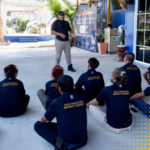
Course structure
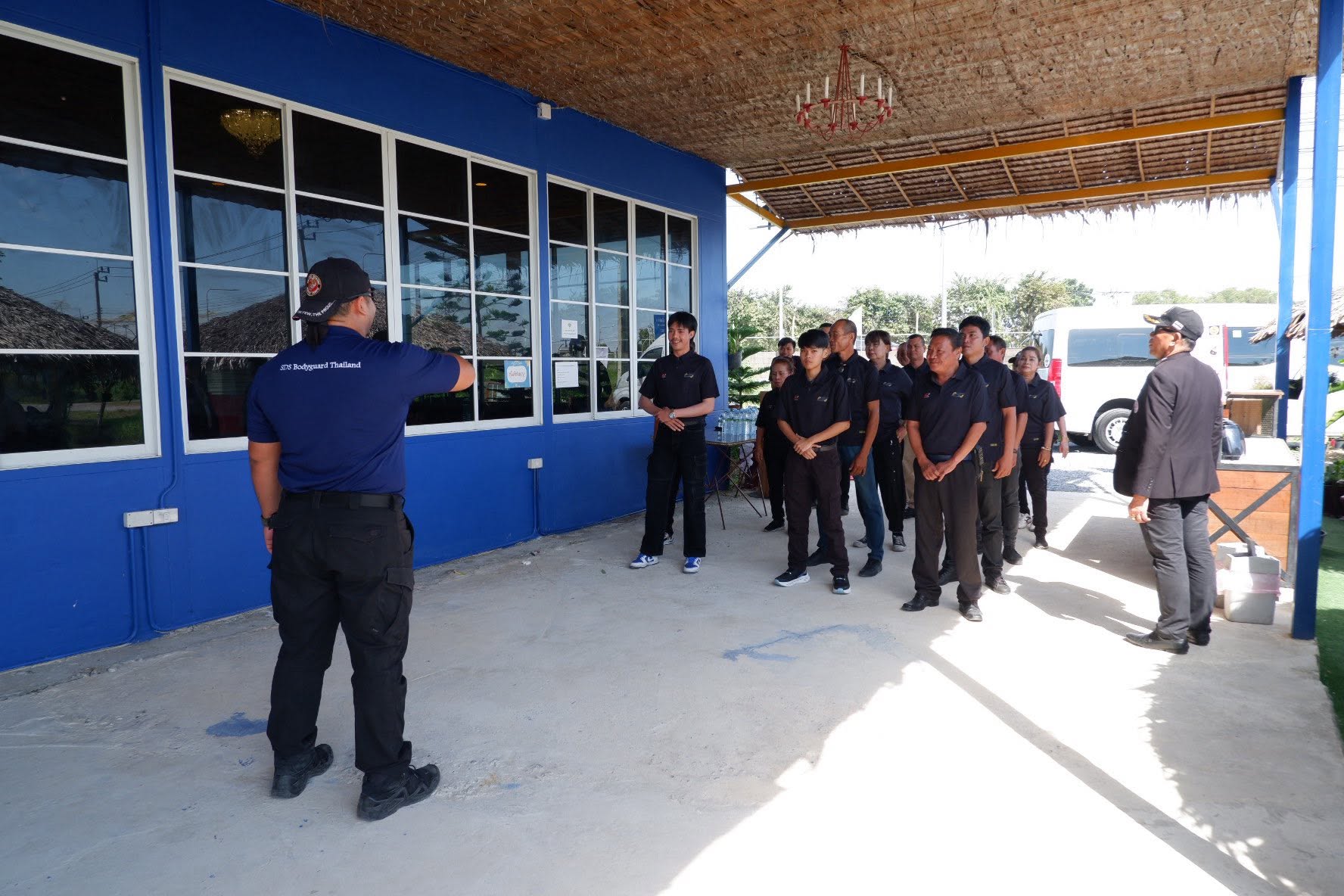
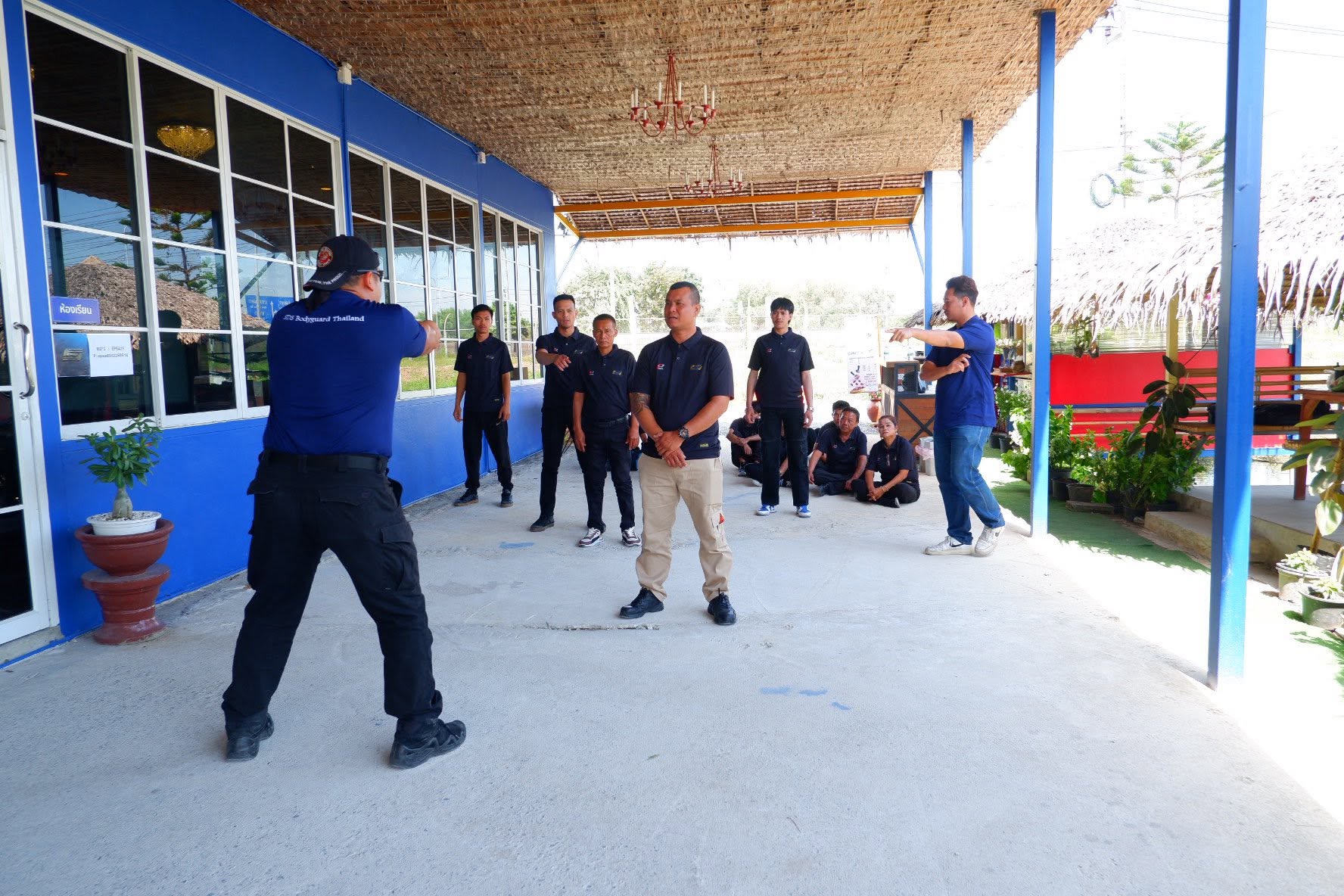
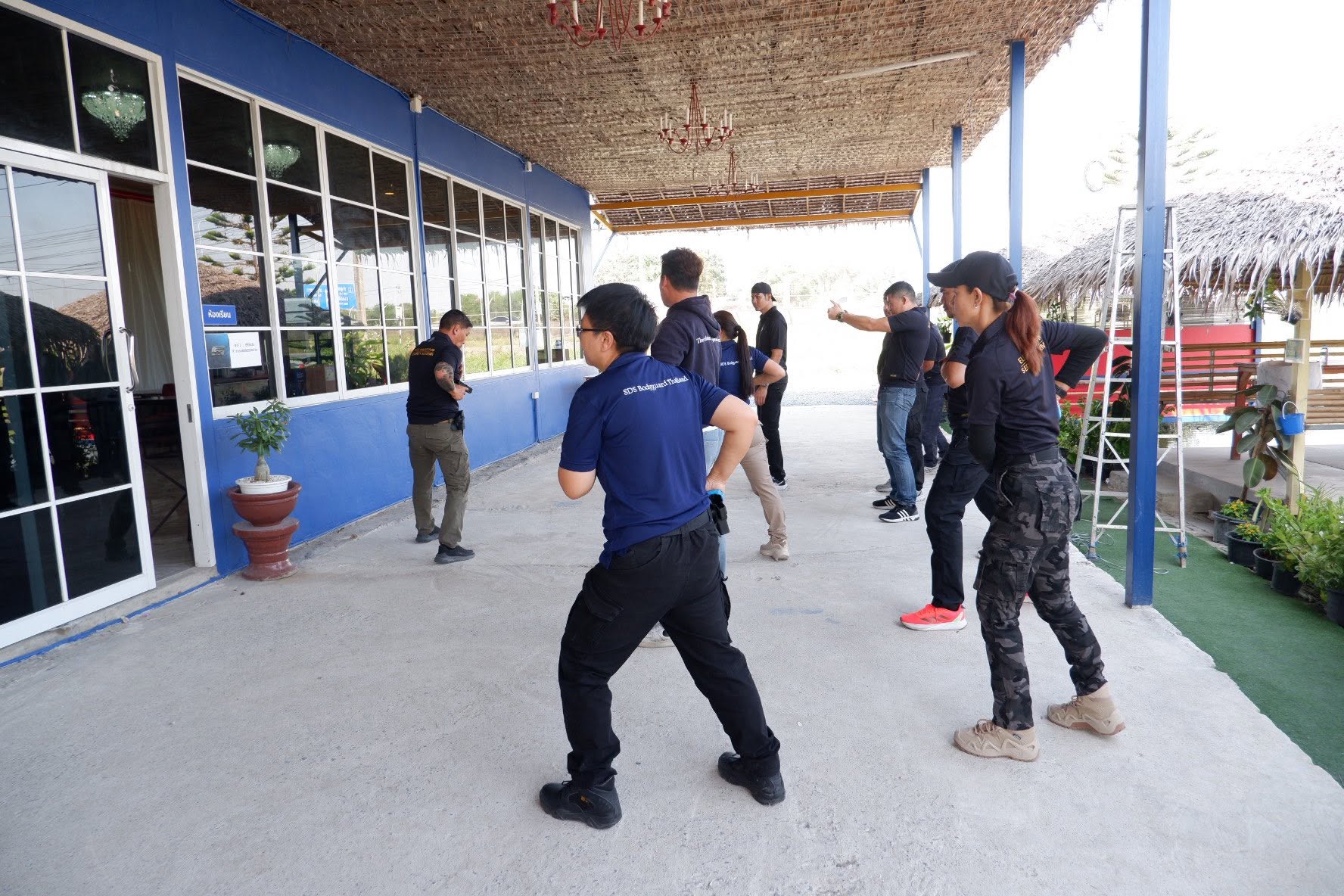
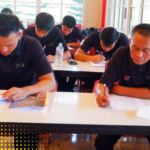
Training Style: 40% Theory | 60% Practical
Session Breakdown
1. Rights Protection & Use of Force
Operating safely requires a firm grasp of the legal and ethical boundaries governing high-risk environments. This session covers your legal rights and responsibilities, the core principles of the appropriate use of force, and the maintenance of strict professional conduct. You will learn how to align safety awareness with risk prevention while staying within legal frameworks.
2. Personal Security Management
True security begins with proactive habits. This module focuses on the protection of yourself and your close associates through threat recognition and heightened situational awareness. Participants will practice designing preventive security measures, conducting thorough security planning, and executing readiness preparation before stepping out into the field.
3. VIP Protection
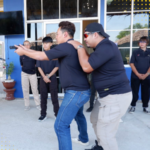
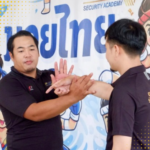
When tasked with safeguarding high-profile individuals, specialized defensive tactics are required. This session trains you in the core fundamentals of close-range security techniques to ensure a VIP’s physical safety. You will learn how to actively prevent physical harm, recognize vulnerabilities in your immediate surroundings, and mitigate real-time situational risks.
4. Professional Etiquette
Technical tactical skills mean very little without the communication skills to back them up. This session refines your interpersonal abilities, client relations management, and commitment to strict confidentiality. You will learn how to manage professional appearance, project authority, and maintain total emotional control under intense pressure.
5. Escort Formation & Deployment
Moving a team or a client through an unstable area requires flawless synchronization. This highly practical block focuses on protective walking formations, tactical positioning, and team movement dynamics. You will master specific deployment procedures and put practical escort techniques to the test in crowded or unpredictable environments.
6. Vehicle Procedures
Transit is often the most vulnerable phase of any deployment. This session breaks down safe embarkation (getting in) and debarkation (getting out) under pressure, alongside vehicle security inspections. Participants will study route awareness, route planning, and critical emergency response considerations if a vehicle is targeted or compromised.
7. Situation Assessment
The course culminates in live decision-making under stress. You will be tested on real-time threat identification and risk evaluation. Through a series of realistic, practical scenarios and field exercises, you will apply everything you have learned, followed by comprehensive instructor feedback and individual performance evaluations.